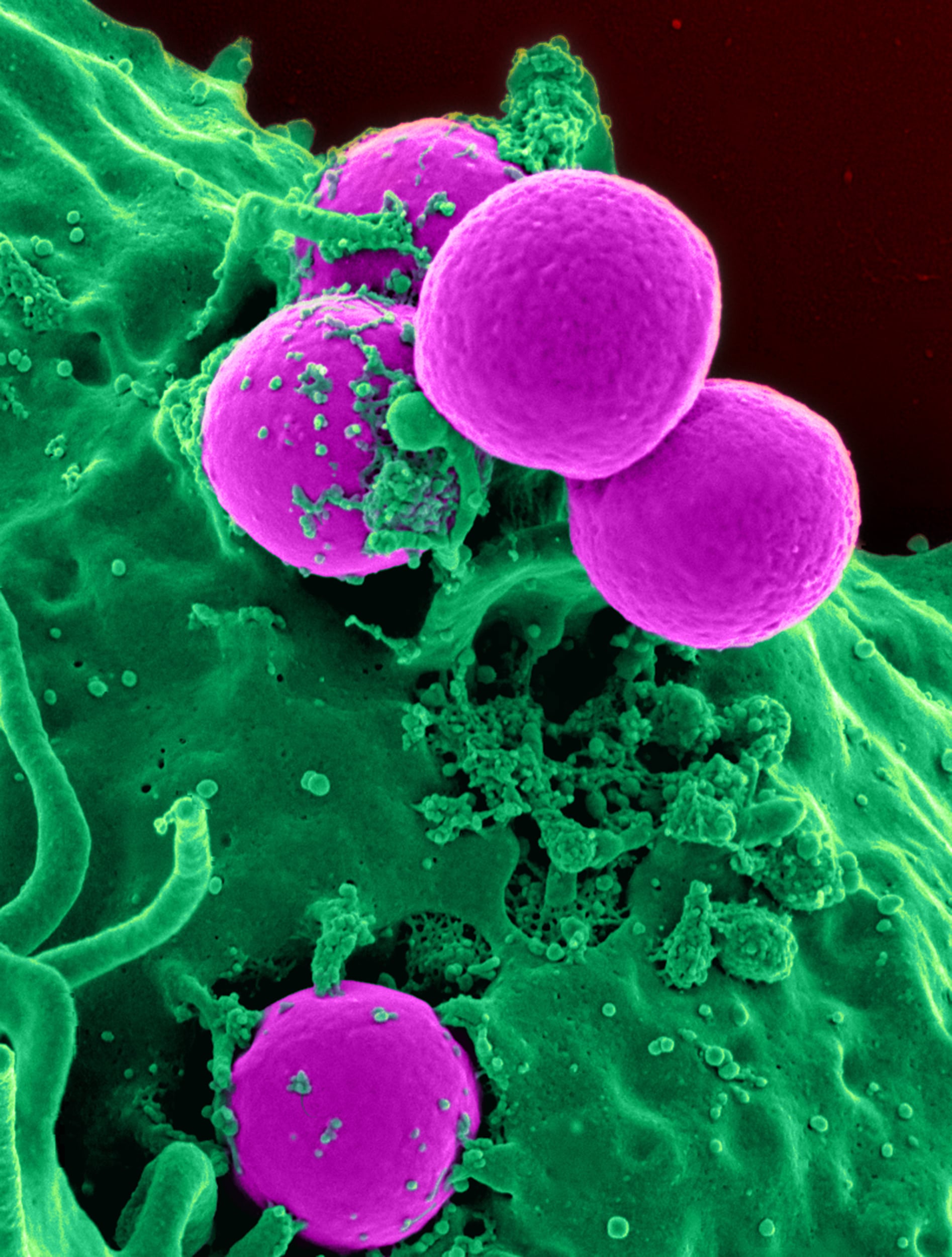
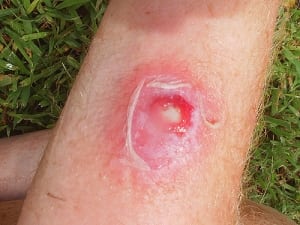
 Staph infections are bacterial infections that usually manifest in a sore or wound on the skin. These infections may seem to pop out of nowhere and may not heal easily. Staph has also been known to travel in our bloodstreams to infect hearts, lungs, and even our bones. These infections result in bacteremia (sepsis), pneumonia, endocarditis (inflammation in the heart), or osteomyelitis (infection in the bone). Staph infections can be hard to cure and can even be fatal to some—typically those who go untreated for too long.
First of all, certain strains of Staph may become resistant and harder to treat. The CDC reports that “Methicillin-resistant Staphylococcus aureus (MRSA) is a bacteria that is resistant to many antibiotics.” MRSA usually manifests in skin infections. MRSA is dangerous due to bloodstream infections, pneumonia, and surgical infections.
Tips to Help Avoid Staph Infections
- Wash hands frequently with soap and warm water
- Cover up open wounds to avoid transmission routes
- Teach your kids to keep personal items personal, like towels or lip balm
- Stay clean by taking daily showers and washing clothing/school uniforms
Staph In Food
The FDA reports on Staphylococcal food poisoning caused by enterotoxins which attack the intestines. The symptoms can be similar to food poisoning and will typically run their course in a few days. A list of risky foods (typically foods not kept at the correct temperature) can be found on the FDA website. The FDA also notes that 50% or more healthy individuals have Stapylococci on/in our hair, skin, throats and nasal passages.
Staph on Household Items
Additionally, paper money and coins may carry Staphylococcus aureus. Many other bad bugs like E. coli, Salmonella, and the flu virus, can be transmitted through hand contact, as well as on money. Wash your hands after handling money, especially when handled in hospitals or large public places. Food handlers should wash hands between handling money and preparing food.
In conclusion, parents and professionals should be aware that the FDA is proposing regulations to limit antibacterial and antimicrobial washes/sanitizers due to safety concerns with ingredients. Ingredients often contain hormones and may cause bacterial resistance. In place of hand sanitizer or anti-bac soap, just use plain soap. Stop superbugs in their tracks by using soap and warm water instead!
Finally, teach your kids more about infectious diseases by downloading the CDC’s free graphic novel – The Junior Disease Detectives: Operation Outbreak! For questions or comments, respond to this blog or contact us!